
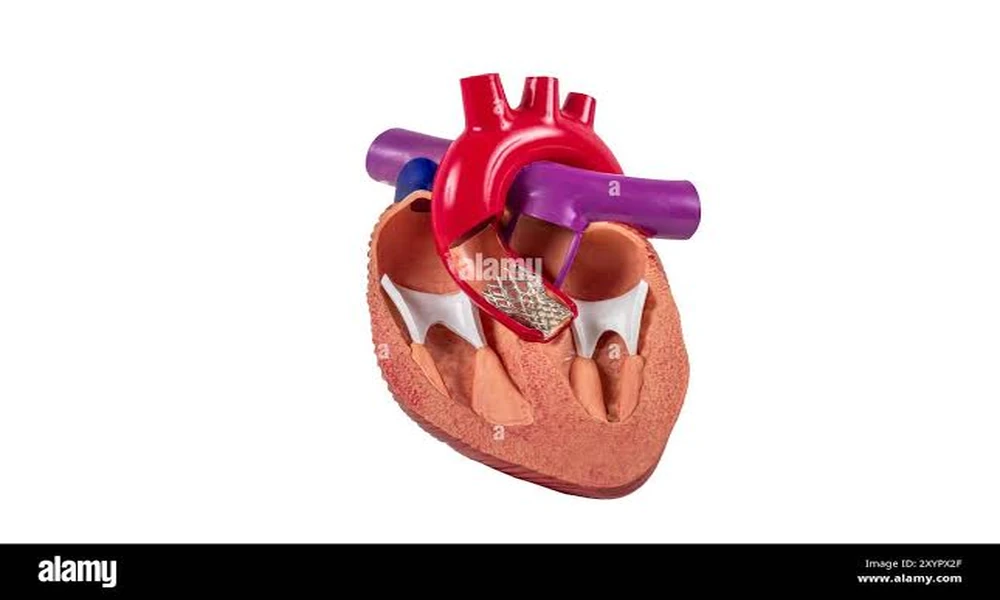
An atrial septal defect (ASD) is a hole in the wall between the heart’s two upper chambers. It is one of the most common heart defects present from birth, and many are not found until adulthood – at a routine echo, during pregnancy or after unexplained breathlessness. When closure is advised, the next question is usually about money, and specifically about the device. This article explains what the device is, what the quoted price usually includes, how it compares with surgery, and how insurance treats it.
ASD basics in one minute
The hole lets oxygen-rich blood flow from the left atrium back to the right side, so the right heart and lungs handle extra volume for years. Small defects may close on their own in childhood or never cause trouble. Larger ones (typically above about 8-10 mm with evidence of right-heart enlargement) are usually closed to prevent rhythm problems, heart failure and raised lung pressure later. Types include secundum (the most common, and the only type suitable for a device), primum, sinus venosus and coronary sinus defects, which need surgery. Symptoms and types are described in atrial septal defect symptoms.
Device closure versus surgical closure
| Transcatheter device closure | Open surgical closure | |
|---|---|---|
| Suitable for | Secundum ASD with adequate rims | All types, very large or rim-deficient defects |
| How | Catheter from the groin vein; device deployed under echo and X-ray | Chest opened; hole patched or stitched on a heart-lung machine |
| Hospital stay | about 1-2 days | about 5-7 days |
| Scar | none (needle puncture) | chest incision |
| Return to routine | about 1 week | about 6-8 weeks |
Whether you qualify for ASD device closure depends mainly on the defect’s size, position and the “rims” of tissue around it seen on transoesophageal echo. The treatment options overall are compared in atrial septal defect and its treatments.
What the “device price” actually covers
An ASD occluder is a self-expanding double-disc mesh made of nitinol, with fabric inside to encourage tissue to grow over it. When hospitals quote a device price, check whether it means:
- The occluder alone – the implant itself, sized to the hole (devices range from very small to around 40 mm)
- The delivery system – the sheath, cable and loader used to deliver and release the device; sometimes bundled, sometimes separate
- A sizing balloon – used in some cases to measure the stretched diameter of the hole
- A backup device – occasionally a different size is opened during the procedure if the first does not sit well; ask whether you pay for both
As a rough guide, the ASD closure device price in India for the implant itself varies by brand and origin: imported occluders are generally quoted higher, and Indian-made occluders noticeably lower. The total procedure package, including the device, cath lab, anaesthesia, TEE guidance and stay, is commonly quoted in the range of about ₹2-4 lakh, with corporate hospitals in metro cities sometimes above that. These are indicative figures only; they vary by city, hospital, device brand and the complexity of the defect, and the exact estimate must come from the treating hospital.
What else goes into the procedure bill
- Pre-procedure transoesophageal echo and blood tests
- Cath lab time and consumables (sheaths, wires, contrast)
- Anaesthesia (general anaesthesia is common because TEE is used during the procedure, especially in children)
- Cardiologist and anaesthetist fees
- One night in a monitored bed, sometimes ICU for children
- Post-procedure echo and ECG before discharge
- Medicines: aspirin, sometimes with a second antiplatelet, for about six months
Surgical closure often costs a broadly similar amount once the device is taken out of the equation, but with a longer stay, ICU time and a longer recovery that adds indirect costs (time off work or school, a carer’s time).
Factors that push the price up or down
- Device brand and origin – the largest single variable
- Defect size – larger devices may cost more, and very large defects may need surgery instead
- Hospital tier and room category – packages are often linked to room rates
- City – metro hospitals charge more than tier-2 cities
- Children versus adults – children may need general anaesthesia, paediatric ICU and a paediatric cardiology team
- Additional findings – a second hole, a PFO alongside the ASD, or pulmonary hypertension needing further tests
Insurance and government schemes
- Most private health insurance policies cover ASD closure, including the device, when medically indicated; some policies have implant sub-limits, so confirm the cap before choosing the brand.
- Congenital conditions can raise questions of “pre-existing disease” – check your policy wording on congenital internal anomalies and waiting periods.
- Children in many states can be treated under government child-health schemes, and families below set income thresholds may qualify for central or state health schemes that cover congenital heart procedures at empanelled hospitals.
- Pre-authorisation needs the echo report, the cardiologist’s recommendation and the hospital estimate; start this at least a week before the planned date.
Questions to ask before you agree
- Which device brand and size is planned, and is there an alternative?
- Is the delivery system included in the device price?
- What happens, and what is charged, if the device cannot be placed and surgery is needed?
- Is TEE or intracardiac echo included?
- What is the per-day rate if the stay is longer than packaged?
A written itemised estimate answers most of these at once and allows a like-for-like comparison with a second hospital’s ASD closure device price in India.
When to seek urgent care
After closure, go to the emergency department for chest pain, fainting, palpitations that do not settle, fever, or swelling or bleeding at the groin. Before closure, sudden severe breathlessness, stroke-like symptoms or a very fast heartbeat need immediate attention.
Disclaimer: This article is for general information only and is not a substitute for medical advice. Please consult a qualified doctor before deciding on any treatment for an atrial septal defect.
