
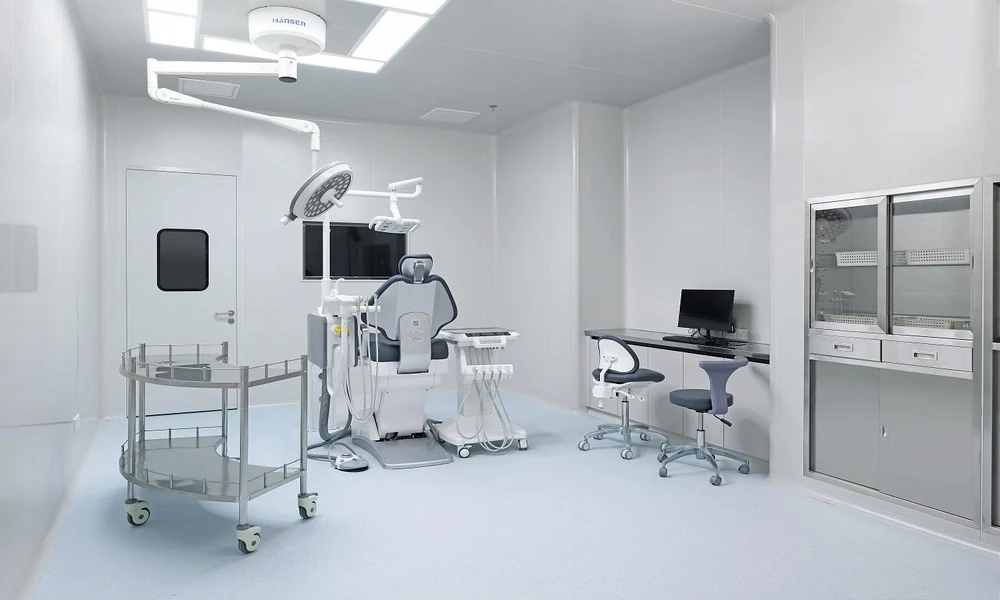
Air quality is one of the most critical factors influencing patient safety and surgical success. Every year, millions of surgical procedures are performed worldwide, and maintaining a clean, controlled environment is essential to minimizing the risk of infection and improving clinical outcomes.
This is why modular operating rooms are designed to meet stringent air quality standards through advanced ventilation, filtration, and environmental control systems.
In this article, we explore the air quality standards used in modular operating rooms and explain why they play such an important role in protecting patients, healthcare professionals, and surgical outcomes.
Why Air Quality Is Critical in Operating Rooms
During surgery, patients are particularly vulnerable to airborne microorganisms, dust particles, and contaminants. Even microscopic particles can carry bacteria that may enter the surgical wound, increasing the risk of Surgical Site Infections (SSIs).
Poor air quality can contribute to:
- Higher rates of postoperative infections
- Longer hospital stays
- Increased healthcare costs
- Delayed patient recovery
- Greater risk for immunocompromised patients
A properly designed modular operating room minimizes these risks by continuously supplying clean, filtered air while removing contaminants from the surgical environment.
Key Air Quality Standards for Modular Operating Rooms
Modern modular operating theatres are designed according to internationally recognized cleanroom and healthcare standards.
1. HEPA Filtration
High-Efficiency Particulate Air (HEPA) filters are capable of removing 99.97% of airborne particles measuring 0.3 microns, including bacteria-carrying particles.
Benefits include:
- Cleaner surgical environment
- Reduced airborne contamination
- Lower infection risk
- Improved protection for patients and staff
2. Positive Air Pressure
Operating rooms are maintained at positive pressure, meaning clean air flows outward whenever doors are opened.
This prevents contaminated air from entering adjacent sterile areas and helps maintain a controlled surgical environment throughout the procedure.
3. Laminar Airflow Systems
Many modular operating rooms utilize vertical laminar airflow, which delivers filtered air uniformly downward over the operating table.
Advantages include:
- Rapid removal of airborne particles
- Reduced turbulence
- Consistent sterile field
- Improved air cleanliness around the surgical site
Laminar airflow is especially beneficial for orthopedic, cardiovascular, and implant surgeries where infection prevention is critical.
4. Controlled Temperature and Humidity
Air quality is not only about cleanliness-it also involves maintaining stable environmental conditions.
Typical operating room parameters include:
- Temperature: 20-24°C
- Relative humidity: 40-60%
Proper environmental control helps:
- Reduce bacterial growth
- Improve staff comfort
- Protect sensitive medical equipment
- Maintain sterile supplies
International Standards That Guide Air Quality
Several international standards help define air quality requirements for operating rooms.
ISO 14644
ISO 14644 establishes cleanroom classifications based on airborne particle concentration.
Many modular operating theatres are designed to achieve ISO Class 5 to ISO Class 7 conditions around the surgical field, depending on hospital requirements and surgical specialties.
ASHRAE Guidelines
The American Society of Heating, Refrigerating and Air-Conditioning Engineers (ASHRAE) provides recommendations for:
- Air changes per hour (ACH)
- Ventilation effectiveness
- Temperature control
- Humidity management
These guidelines support both patient safety and energy-efficient hospital operation.
HTM and Other National Standards
Countries may also follow healthcare-specific standards such as the UK’s Health Technical Memoranda (HTM) or equivalent national healthcare building regulations, ensuring operating theatres meet local infection prevention requirements.
How Modular Operating Rooms Achieve Superior Air Quality
Unlike conventional operating rooms, modular systems integrate air quality management into every stage of design.
Key features include:
- Seamless antibacterial wall panels
- Hygienic ceiling systems
- Integrated HVAC systems
- HEPA filtration units
- Easy-to-clean surfaces
- Airtight construction
- Optimized airflow design
Because these components are manufactured with precision and installed under controlled conditions, modular operating rooms often provide more consistent environmental performance than traditionally built facilities.
Benefits for Patient Health
High-quality air management directly contributes to better patient outcomes.
Hospitals that maintain appropriate operating room air quality can expect:
For procedures involving implants or high-risk patients, maintaining strict air quality standards becomes even more important.
